After a car crash with an uninsured driver in North Carolina, your own uninsured motorist coverage may help pay for covered losses. You must still show that the other driver was legally responsible for the accident; payment depends on the evidence and the coverage available.
Finding out that someone has no insurance can feel overwhelming. It does not mean you have no options. Start with your health, then report the crash and ask your insurer to review your policy.
What should you do at the scene?
Get to a safe place and call law enforcement. Seek medical care if you are hurt; do not delay help while trying to sort out insurance.
Collect the driver’s contact details and vehicle information. Photograph the damage when safe; ask witnesses how you can reach them.
Avoid accepting a private cash payment or agreeing to leave the crash unreported. Damage may be harder to assess at the roadside, and injuries may need further care.
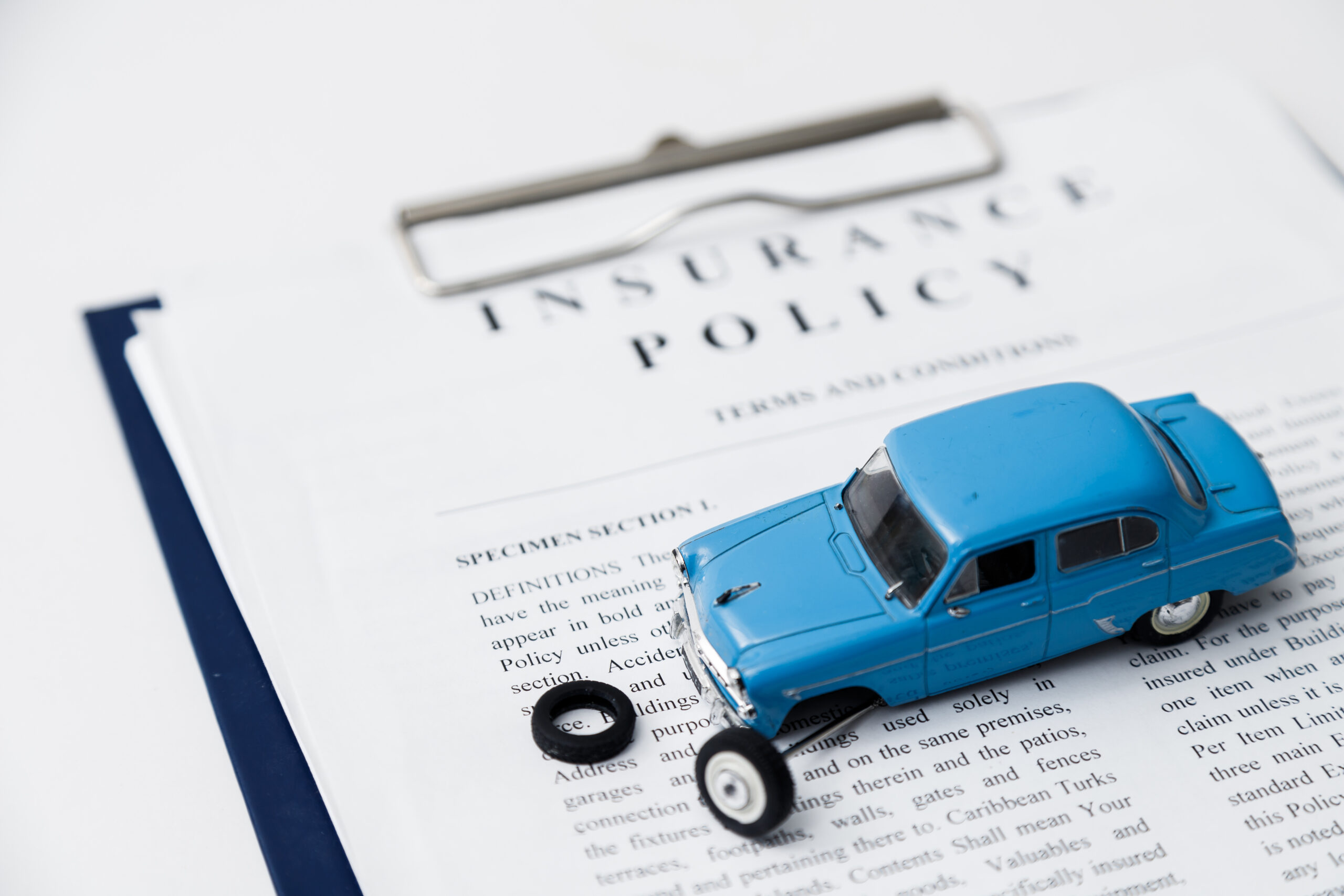
How does uninsured motorist coverage work?
Uninsured motorist coverage, often called UM, can protect an insured person when an at-fault driver lacks liability insurance. Covered losses may include medical costs and lost income; property damage coverage may help with vehicle damage.
North Carolina’s vehicle insurance requirements include uninsured and underinsured motorist coverage. Check your declarations page for limits; ask for the full policy if you need to review its terms. ncdot.gov
Coverage does not guarantee that every expense will be paid. The insurer may review fault and whether the claimed losses resulted from the crash.
An uninsured driver does not automatically leave you without a path to payment. Review the available coverage before assuming you must bear the loss.
How do you start the insurance claim?
Notify your insurer promptly. Explain that the other driver may be uninsured; ask what proof the company needs to confirm that status.
Keep your claim number and the adjuster’s contact details together. Save medical bills and repair estimates as they arrive. Keep notes of calls, including what the insurer requested and when you sent it.
Our guide to insurance claims after an accident explains why clear records matter. Give accurate answers; ask for an explanation when a request is unclear.
Can your own insurer dispute the claim?
Yes. Your insurer may disagree about who caused the crash or how much your losses are worth. Being its policyholder does not remove the need to support your claim.
Ask for the reason behind a denial or reduced offer in writing. An attorney can compare that response with the policy and review the supporting evidence.
Before settling directly with the uninsured driver, seek advice. The North Carolina Department of Insurance’s coverage guidance warns that settling without the insurer’s written consent can jeopardize coverage. NC DOI
Frequently Asked Questions
What if the other driver has insurance, but too little?
That may involve underinsured motorist coverage, called UIM. It addresses a different coverage gap from UM; the rules depend on the policy and applicable law. Have the coverage reviewed before accepting a settlement from the driver’s insurer.
Can I sue the uninsured driver directly?
A lawsuit may be possible if the facts support it. Collecting a judgment is a separate issue; the driver’s available assets can affect whether that route leads to payment. An attorney can help assess the practical options.
What if I was a passenger?
Coverage may be available through the vehicle you occupied or another policy that covers you. Eligibility depends on the policy language and your circumstances. Contact Wayne Hardee Law to review your options after a crash with an uninsured driver in Eastern North Carolina.