To document vehicle damage after a crash, take clear photos when it is safe and keep written records of the loss. Save repair estimates and related receipts; preserve the original files before sharing copies with an insurer.
You do not need professional equipment. A phone camera can capture useful evidence, but your health comes first. Seek urgent care when needed; never stand in traffic to photograph a dent.
When should you start documenting the damage?
Start as soon as it is safe. Early photos can show the vehicle’s condition before towing or repairs change its appearance.
If the vehicles must move for safety, let them move. The North Carolina Department of Insurance advises drivers to stop in a safe place and move a vehicle when needed to prevent further damage or avoid blocking traffic. Evidence matters; it should never delay help. NC DOI
If you are hurt, ask someone you trust to take photos. You can also contact the tow yard later to arrange safe access.
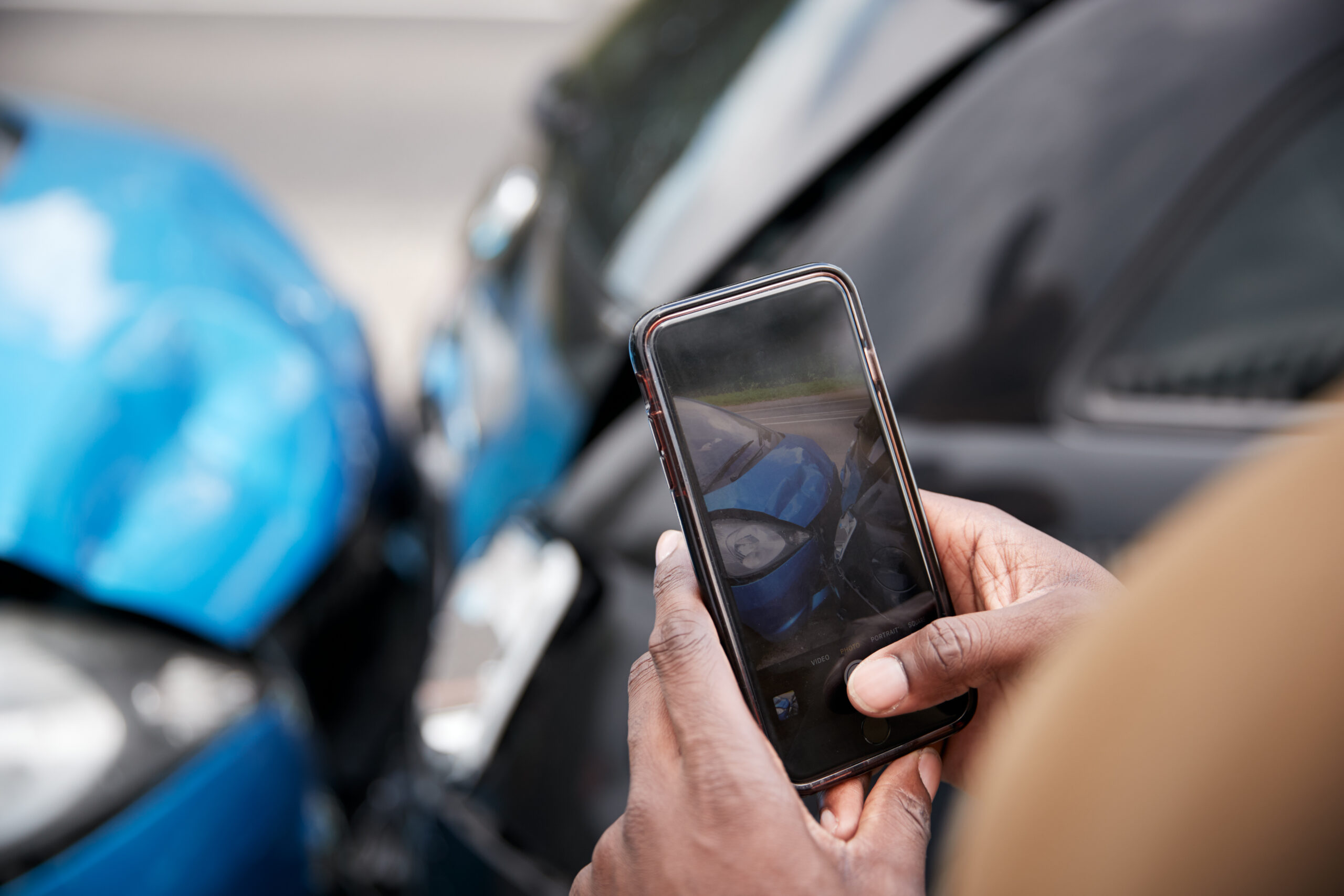
What vehicle photos should you take?
Begin with wide shots showing each side of your vehicle. Include areas that appear undamaged; they help establish the full picture.
Next, photograph each damaged area from several angles. Take a closer view of dents and scrapes, while keeping enough context to show where they sit on the vehicle.
Capture deployed airbags or damage inside the cabin when safely accessible. Photograph the license plate to connect the images to the vehicle. Avoid crawling underneath it or opening damaged parts that may be unsafe.
What details should you record besides photos?
Write down when and where the crash occurred. Note which part of your vehicle was struck; describe what you observed without guessing about hidden damage.
Keep the police report number and the other driver’s insurance details. Ask witnesses how you can reach them.
The National Association of Insurance Commissioners recommends recording scene details when filing an auto claim. A brief note made that day can help when memories become less clear. NAIC
Clear records help tell the story of your loss. Keep original photos, even after you send copies to an insurer.
How should you save repair records?
Ask the shop for an itemized estimate. Keep the first estimate and any revised version; hidden damage may become apparent once work begins.
Save towing and storage receipts. Keep rental vehicle invoices, too, and ask the insurer which expenses your claim may cover.
Before authorizing repairs, ask whether the insurer needs to inspect the vehicle. Do not delay steps needed to prevent further damage; discuss those steps promptly and retain proof of the cost.
How can you keep your evidence organized?
Create one folder for photos and a separate folder for claim paperwork. Back them up somewhere you can access if your phone is lost.
Keep unedited originals. If you add arrows or labels for clarity, save those versions as separate copies.
Our guide to insurance claims after an accident explains how records can support discussions with an adjuster.
Frequently Asked Questions
What if I did not take pictures at the scene?
You can still document vehicle damage afterward. Photograph the car at its current location; note when the images were taken. Ask whether the tow yard or repair shop has earlier photos.
Can photos show whether my car is safe to drive?
No. Images may show visible damage, but they cannot rule out hidden problems. Have a qualified professional assess the vehicle before driving if its safety is uncertain.
Should I sign a release once repairs are paid?
Read it carefully; ask which claims it resolves. Property damage and injury claims can involve different issues. Contact Wayne Hardee Law before signing a release you do not understand.