Rear-end car accidents often seem simple. One vehicle stops; another hits it from behind. Many people assume the back driver is always at fault, but North Carolina claims can be more complex.
The rear driver is often responsible because drivers must leave enough space to stop safely. Still, insurers review the actions of both drivers. Evidence from the crash can decide who pays and whether the injured person can recover compensation.
Why is the rear driver often at fault?
North Carolina drivers must follow at a safe distance based on speed, traffic, and road conditions. The state’s following-too-closely law requires drivers to leave a reasonable and prudent amount of space.
A rear driver may be at fault for following too closely or driving too fast for the conditions. Phone use may also prevent a driver from seeing stopped traffic in time.
Bad weather is not a full excuse. Drivers should slow down and leave added space when roads are wet or visibility is poor.
The National Library of Medicine explains that whiplash pain may take hours or longer to appear. Symptoms can include neck stiffness, headache, or pain that spreads into the shoulders and arms.
Can the front driver ever be at fault?
Yes, depending on the facts. A front driver may share fault if they suddenly reverse, drive without working brake lights, or cut into a lane without enough space. An insurer may also claim the front driver stopped for no valid reason.
These claims do not mean the front driver caused the crash. They show why proof matters. North Carolina’s contributory negligence rule can bar recovery if an injured person is found partly at fault.
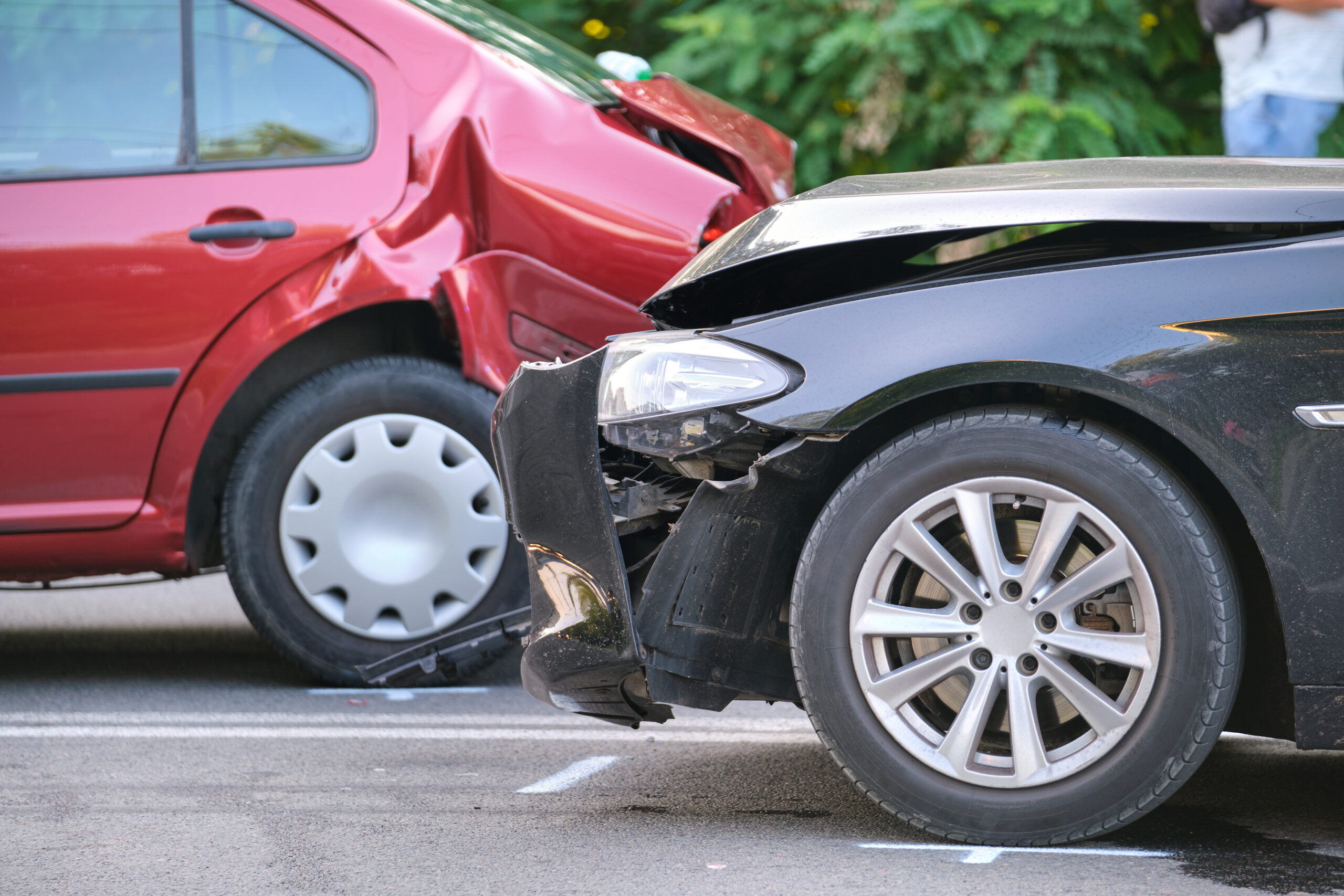
The point of impact may show how the vehicles collided; the full evidence shows why the collision happened.
What evidence can help prove fault?
Photos of both vehicles can show the angle and force of impact. Skid marks, debris, and road conditions may also help explain what happened.
A police report may include statements from each driver and the officer’s first observations. Witness accounts can be useful when the drivers disagree. Nearby businesses or traffic cameras may have video, but that footage may be erased quickly.
Dash camera footage can offer a clear view of the moments before impact. Phone records may also matter if distracted driving is suspected.
Wayne Hardee Law offers added guidance for people hurt in a rear-end collision in North Carolina.
What injuries are common after a rear-end crash?
Whiplash is common because the force can snap the neck back and forth. A person may also suffer back pain, a concussion, or an injury from the seat belt.
Some symptoms do not appear at once. Pain may build over the next day; headaches or stiffness can develop later. Seek medical care when symptoms appear, then follow the doctor’s care plan.
Do not assume a small dent means you could not be hurt. Vehicle damage and physical harm do not always match.
Should you speak with the insurance adjuster?
You should report the crash to your insurer, but be careful with recorded statements. An adjuster may ask questions that are meant to place some blame on you.
Give clear facts; do not guess. Avoid saying you are fine before a doctor has assessed your symptoms. A casual statement made soon after the wreck may be used later to challenge your claim.
The North Carolina Department of Transportation provides guidance on state driving laws and crash reporting duties.
What compensation may be available?
An injury claim may seek payment for medical care and lost income. It may also address pain, lasting limits, or damage to your vehicle.
The value of a claim depends on the proof, the harm you suffered, and the available insurance. Wayne Hardee Law can review these factors and help you understand what may be fair.
If you were hurt in one of these motor vehicle accidents, call Wayne Hardee Law at 252-238-4040 for a free case review.
Frequently Asked Questions
What if I was pushed into another car?
The driver who caused the first impact may be responsible for a chain-reaction crash. Photos and witness statements can help establish the sequence.
Can I file a claim if my car has little damage?
Yes. Minor vehicle damage does not automatically mean there was no physical injury. Medical records can help show how the crash affected you.
What if the other driver received no ticket?
You may still have a claim. A traffic ticket can help, but civil fault depends on the full evidence rather than the ticket alone.