A driver checks one text, looks down at a map, or reaches for something in the car. The act may seem brief; the harm can last for years. Distracted driving accidents often happen without warning, leaving injured people with pain, missed work, and bills they never planned to face.
If a distracted driver caused your crash in North Carolina, proof of that distraction may play a key role in your injury claim.
What counts as distracted driving?
Distracted driving is any act that pulls a driver’s focus from the road. Texting is a clear example, but it is far from the only one. Eating, changing music, using a map, or talking with a passenger can also take a driver’s eyes or mind away from traffic.
The National Highway Traffic Safety Administration reports that reading or sending a text can take a driver’s eyes off the road for five seconds. At highway speed, a car can travel a long distance during that short lapse.
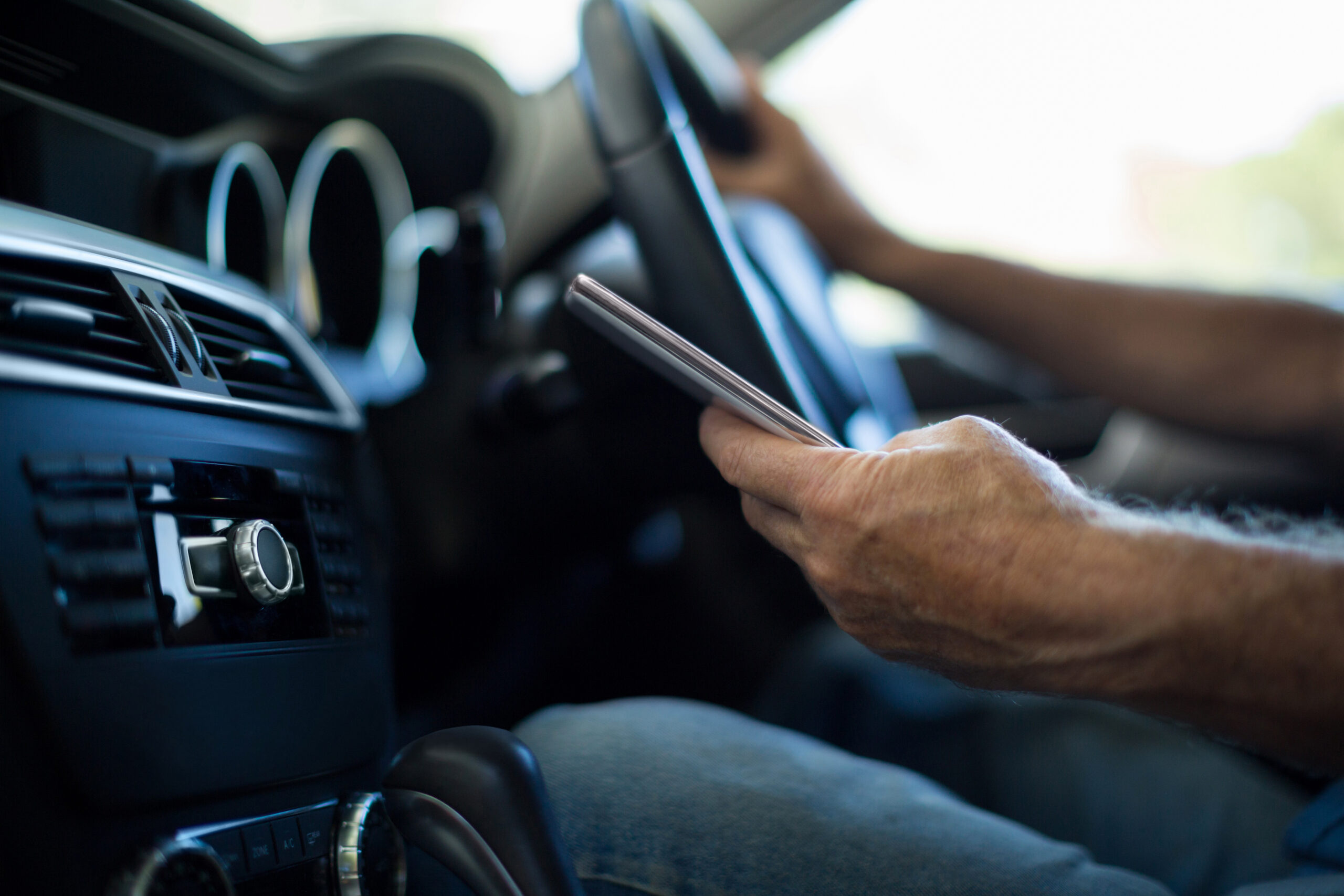
Is texting while driving illegal in North Carolina?
Yes. North Carolina law bars drivers from reading or writing text messages and emails while a vehicle is moving. Phone rules also place added limits on drivers under age 18.
The North Carolina Department of Transportation urges drivers to avoid phone use and set navigation before driving. Yet a traffic ticket is separate from an injury claim. An injured person may still need to prove that the distraction caused the crash.
A distracted driver may look away for seconds; the injured person may live with the result for years.
How can you prove the other driver was distracted?
A police report may note that the driver admitted to phone use. Witnesses may have seen the driver looking down before impact. Photos, video footage, or statements made at the scene may also help.
In some cases, phone records can show activity close to the time of the wreck. An attorney may seek those records when the facts support doing so. Timing matters; video can be erased, and witnesses may forget what they saw.
Wayne Hardee Law handles distracted driving accident claims for people hurt by careless drivers in Greenville and across eastern North Carolina.
What should you do after a distracted driving crash?
Call 911; ask for medical care if you are hurt. Photograph the vehicles, road, and visible injuries when it is safe. Get the names and contact details of witnesses.
Listen closely to anything the other driver says. A comment such as “I was checking my phone” could matter later. Share that fact with the officer, but do not confront the driver.
Seek medical care even if your pain seems mild. Some injuries become clear after the shock wears off. Keep your records and follow your doctor’s care plan.
Can the insurance company blame you?
It may try. North Carolina uses a strict contributory negligence rule. If an insurer can place part of the fault on the injured person, it may argue that the claim should be denied.
An adjuster may ask for a recorded statement soon after the crash. You should be careful; a rushed answer can be taken out of context. You can learn more about your rights in a North Carolina personal injury claim before speaking at length with an insurer.
What losses may a claim cover?
A distracted driving claim may seek payment for medical care and lost wages. It may also account for pain, reduced mobility, or lasting harm.
Each case is different. The value depends on the injuries, proof of fault, and available insurance. A quick settlement may seem helpful at first; it may fall short if you need more care later.
How can Wayne Hardee Law help?
Wayne Hardee Law can review the crash, gather proof, and deal with the insurance company. The firm can also help guard your claim from unfair blame.
If you were hurt by a distracted driver, call Wayne Hardee Law at 252-238-4040 for a free case review.
Frequently Asked Questions
Can I file a claim if the distracted driver was using GPS?
Possibly. Any act that pulls a driver’s attention from the road may support a claim if it caused the crash.
What if the driver deleted the text after the wreck?
Deleted messages may still leave a record of phone activity. An attorney can review whether those records may be sought.
Does hands-free phone use count as distracted driving?
It can. A hands-free call may still take a driver’s mental focus from traffic, even when both hands remain on the wheel.