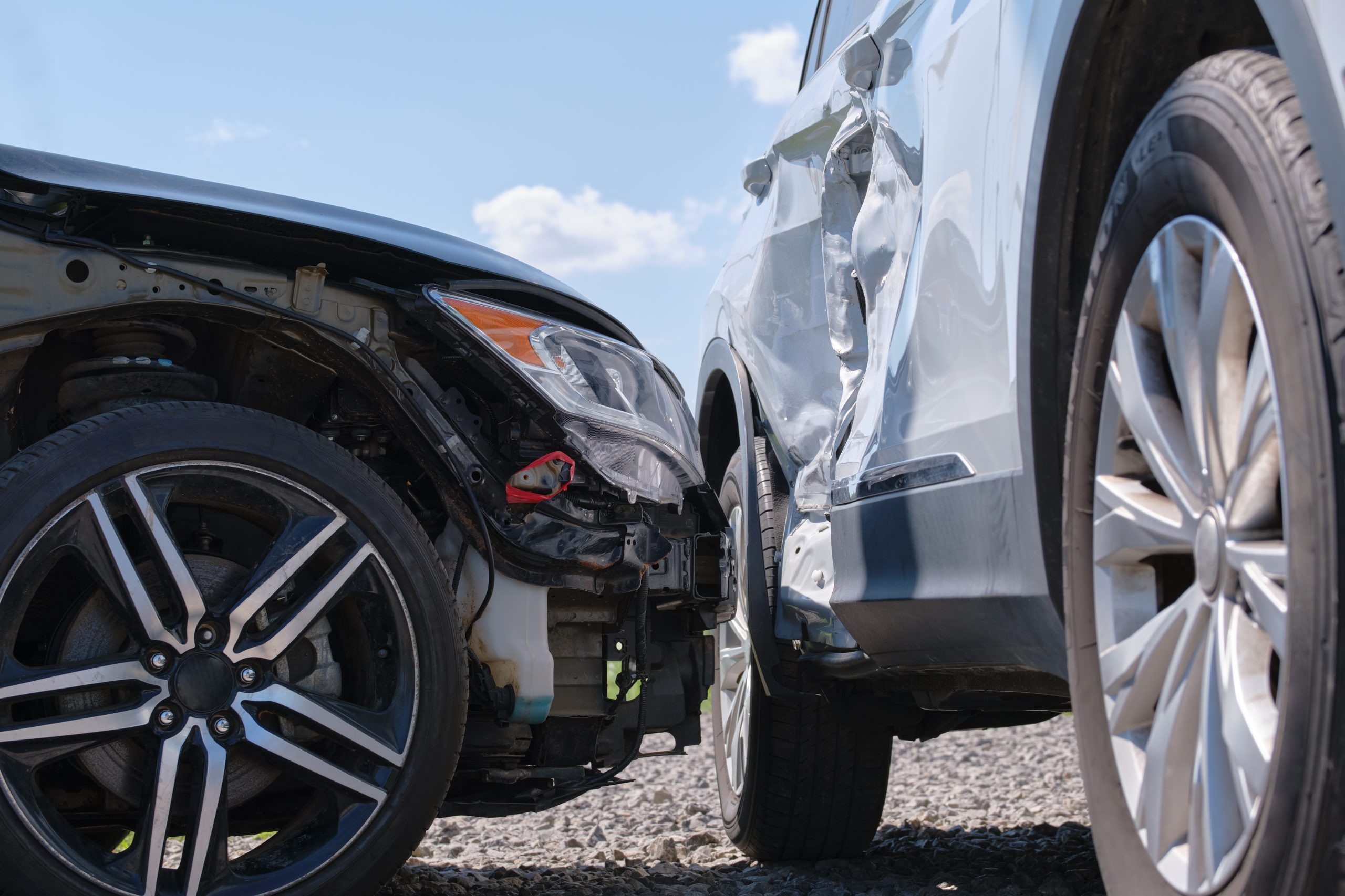
After a car or truck accident, one of the first questions injury victims in Eastern North Carolina often ask is how much compensation they can expect to recover. While this is a completely understandable concern, the answer is rarely simple. Every accident is different, and the value of a personal injury claim depends on several factors tied to the severity of the injuries, the financial impact on your life, and how the law applies to your specific situation. At Wayne Hardee Law, we help clients understand what goes into valuing a claim so they can make informed decisions as they move forward. More information about our firm and our approach can be found at https://www.waynehardeelaw.com.
One of the most significant factors affecting compensation is the extent of your injuries. Minor injuries that require limited medical treatment typically result in lower recoveries, while serious injuries involving surgery, hospitalization, or long-term care often lead to higher compensation. Medical expenses are a core part of nearly every car and truck accident claim and may include emergency treatment, hospital stays, follow-up visits, physical therapy, medications, and future medical care. These costs form the foundation of many injury claims and must be supported by thorough medical documentation.
Lost income is another important consideration. If your injuries prevent you from working temporarily, you may be entitled to recover compensation for lost wages. In more serious cases, injuries may limit your ability to return to your prior job or reduce your earning capacity altogether. Compensation may then account for future lost income, which often requires input from medical professionals and financial experts. Insurance companies frequently try to minimize these losses, which is why careful calculation and documentation are essential.
Beyond medical bills and lost wages, North Carolina law allows injury victims to seek compensation for noneconomic damages. These damages reflect the personal impact of an accident and include physical pain, emotional distress, mental anguish, and loss of enjoyment of life. While these losses do not come with receipts, they are very real and can significantly affect daily living. Ongoing pain, anxiety while driving, sleep disturbances, and the inability to participate in hobbies or family activities are all examples of harm that may be considered when determining compensation.
Fault plays a critical role in determining how much you can recover, or whether you can recover at all. North Carolina follows a contributory negligence rule, which means that if you are found even slightly at fault for the accident, you may be barred from receiving compensation. This strict standard makes accident claims in North Carolina particularly challenging and underscores the importance of avoiding statements that could be interpreted as accepting blame. General information about civil liability and fault can be found through the North Carolina Judicial Branch at https://www.nccourts.gov.
The type of accident also matters. Truck accident claims often involve higher potential compensation than standard car accidents because of the severity of injuries and the multiple parties that may be involved. Commercial truck accidents can include claims against drivers, trucking companies, and insurers with larger policy limits. However, these cases are also more complex and are often aggressively defended by insurance companies and corporate legal teams. Understanding who may be liable is a key step in determining the value of a truck accident claim.
Insurance coverage limits can also affect recovery. Even if your damages are significant, the available insurance coverage may place practical limits on what can be recovered. North Carolina requires minimum liability insurance coverage, but serious accidents can quickly exceed those limits. In some cases, additional coverage sources such as uninsured or underinsured motorist coverage may apply. The North Carolina Department of Insurance provides consumer information about auto insurance coverage at https://www.ncdoi.gov.
Another factor that influences compensation is whether the case settles or proceeds to litigation. Many car and truck accident claims resolve through negotiation, but if an insurance company refuses to offer a fair settlement, filing a lawsuit may be necessary. Litigation allows your attorney to gather additional evidence, take sworn testimony, and present your case before a judge or jury. While trial outcomes are never guaranteed, the willingness to pursue litigation can sometimes lead to more meaningful settlement offers.
Timing is also important. North Carolina generally requires personal injury lawsuits to be filed within three years of the date of the accident. This statute of limitations is set out in North Carolina General Statutes § 1-52, which can be reviewed at https://www.ncleg.gov. Missing this deadline can permanently prevent recovery, regardless of how serious the injuries may be.
While it is natural to want a specific dollar figure early on, the true value of a car or truck accident claim often becomes clearer as medical treatment progresses and the full impact of the injuries is known. Speaking with an experienced attorney can help you understand what compensation may be available and how to protect your rights throughout the process. If you or a loved one has been injured in a car or truck accident in Eastern North Carolina, Wayne Hardee Law is here to help you pursue fair compensation with clarity and confidence. Visit https://www.waynehardeelaw.com to learn more about how we can assist you.