Driving alongside an 18-wheeler or a large commercial vehicle can be intimidating. Due to the sheer size and weight disparity between a semi-truck and a passenger car, collisions often result in devastating consequences. When the unexpected happens, you aren’t just dealing with a damaged vehicle; you are dealing with physical trauma, emotional stress, and a complex legal battle.
At Wayne Hardee Law, we know that the aftermath of a truck accident feels overwhelming. To help you understand your rights and the road ahead, we have answered the most common questions regarding commercial vehicle accidents.
How is a truck accident claim different from a standard car crash?
The primary difference is complexity and the severity of the damage.
While a car accident typically involves two drivers and their respective insurance policies, a trucking accident claim involves much higher stakes and more powerful opponents. Trucking companies are backed by massive insurance policies and legal teams dedicated to minimizing payouts.
Additionally, the injuries sustained in these accidents are rarely minor. The force of impact from a fully loaded tractor-trailer often causes catastrophic damage, requiring long-term medical care. Because the potential settlement amounts are higher, insurance adjusters fight these claims much harder than a standard fender-bender.
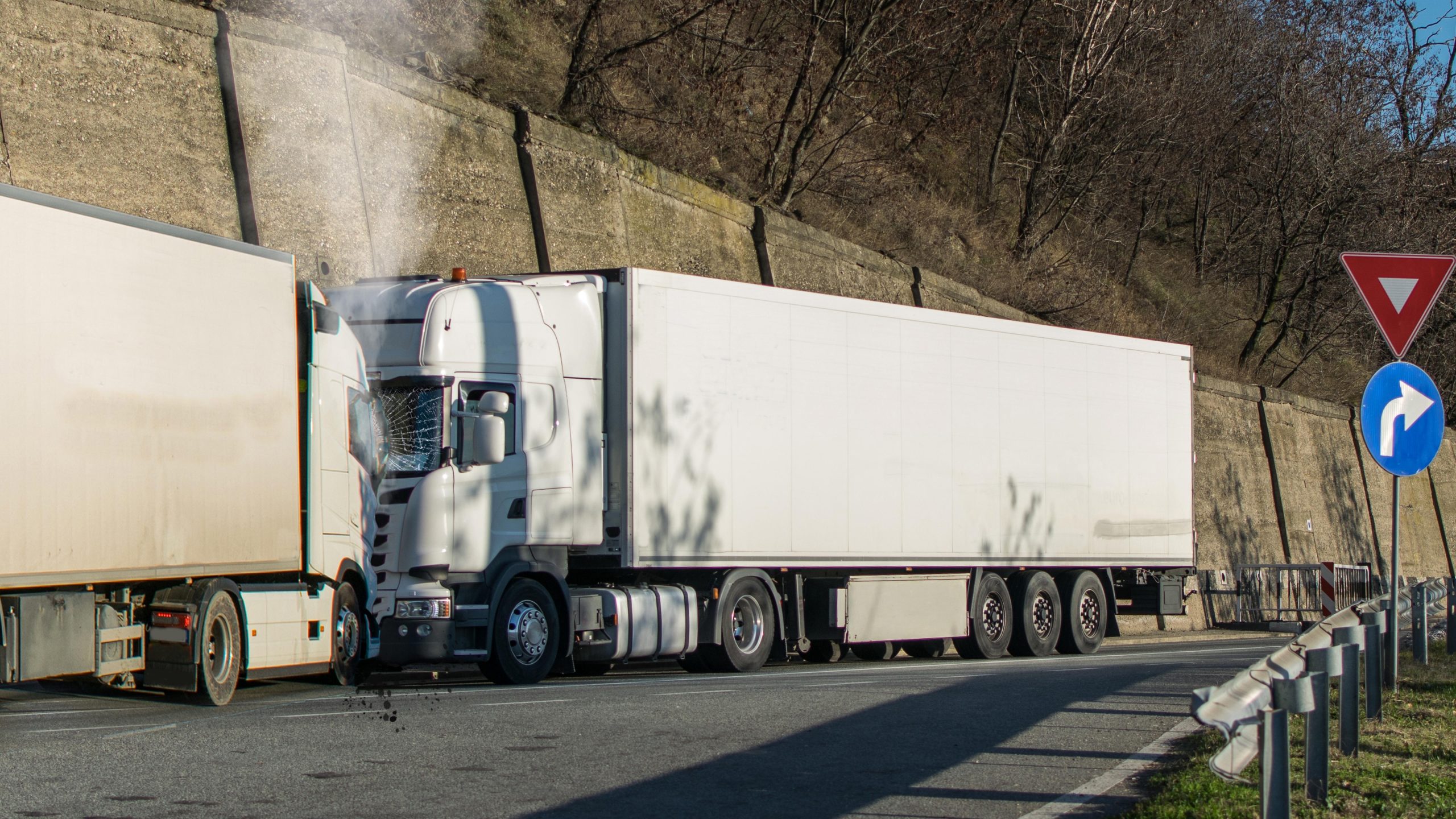
Who can be held liable in a semi-truck accident?
Liability often extends beyond just the truck driver.
In a typical car wreck, the driver who hit you is usually the only one at fault. However, in the trucking industry, there is a “web of liability.” To get you full compensation, we often look at several parties:
- The Truck Driver: For speeding, distracted driving, or driving while fatigued.
- The Trucking Company: For hiring unqualified drivers, failing to maintain vehicles, or pushing drivers to break safety rules to meet deadlines.
- The Cargo Loader: If the truck was overloaded or the cargo was not secured properly, causing the truck to tip or jackknife.
- The Vehicle Manufacturer: If a brake failure or tire blowout caused the crash.
Identifying every responsible party is crucial to ensuring you receive fair compensation for your injuries.
What are federal trucking regulations and why do they matter?
Federal regulations are strict rules that limit how long drivers can operate without rest.
The trucking industry is governed by the Federal Motor Carrier Safety Administration (FMCSA). One of the most critical sets of rules they enforce is the “Hours of Service” regulations. These rules dictate exactly how many hours a driver can be on the road before they must take a break and sleep.
Fatigue is a leading cause of truck accidents. If we can prove that a driver violated these federal laws—or that the trucking company encouraged them to ignore the logs to speed up delivery—it serves as powerful evidence of negligence in your case.
What is the “Black Box” and how does it help my case?
The “Black Box” (Electronic Control Module) provides hard data about what the truck was doing seconds before the crash.
Most modern commercial trucks are equipped with an Electronic Control Module (ECM). This device works similarly to a black box on an airplane. It records vital data such as:
- The speed of the truck at the time of impact.
- Whether the brakes were applied.
- Engine RPM and throttle position.
- Seatbelt usage.
This data is objective and difficult for insurance companies to dispute. However, trucking companies may destroy or overwrite this data if it isn’t preserved quickly. This is why contacting a personal injury attorney immediately after the accident is vital so we can send a letter of spoliation to preserve this evidence.
Why shouldn’t I just accept the insurance company’s first offer?
Initial settlement offers rarely cover the full extent of your long-term needs.
Insurance adjusters for trucking companies are trained to settle cases quickly and for as little money as possible. They may approach you while you are still recovering, offering a lump sum that looks attractive in the moment. However, according to the Insurance Institute for Highway Safety (IIHS), the complexity of truck crashes often leads to lingering medical issues that aren’t immediately apparent.
Once you sign a settlement release, you cannot go back for more money if your injuries require future surgery or physical therapy. We act as your shield, handling the negotiations to ensure your settlement covers your past, present, and future losses.